HTTP & HTTPS Protocols

I’m Arjun Saxena, a passionate software developer specializing in web engineering. I believe in writing code that creates real solutions to real problems. I love building efficient, user-friendly applications and constantly push myself to learn new technologies. Beyond coding, I enjoy sharing knowledge and growing together with others in the tech community.
How the Web Communicates Securely (Beginner-Friendly Guide)
Whenever you:
Open a website 🌐
Submit a login form 🔐
Call an API 📡
You are using HTTP or HTTPS.
In this article, we’ll understand:
What HTTP and HTTPS are
HTTP vs HTTPS (very important)
Role of SSL/TLS
HTTP methods and when to use them
Common HTTP status codes
Real-life examples for everything
No hard networking terms — just clarity.
1️⃣ What is HTTP?
Simple Definition:
HTTP (HyperText Transfer Protocol) is a set of rules that allows a browser and server to communicate.
It is the foundation of the web.
Real-Life Example:
Imagine a restaurant 🍽️
You (browser) → place an order
Waiter (HTTP) → carries request
Kitchen (server) → prepares food
Waiter → brings response
👉 HTTP is the waiter that carries messages.
2️⃣ How HTTP Works (Basic Flow)
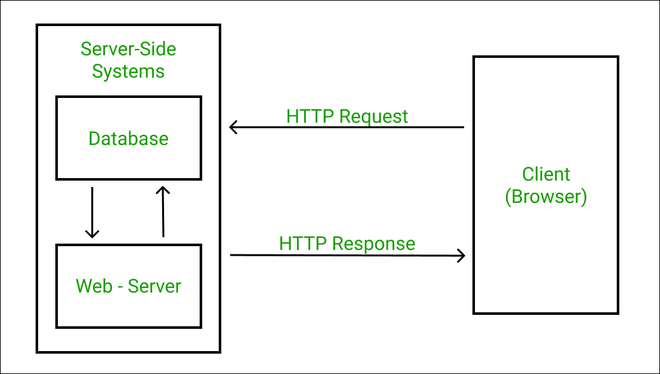
Simple Flow:
Browser sends HTTP request
Server processes request
Server sends HTTP response
Browser displays content
3️⃣ HTTP vs HTTPS (Very Important)
What is HTTPS?
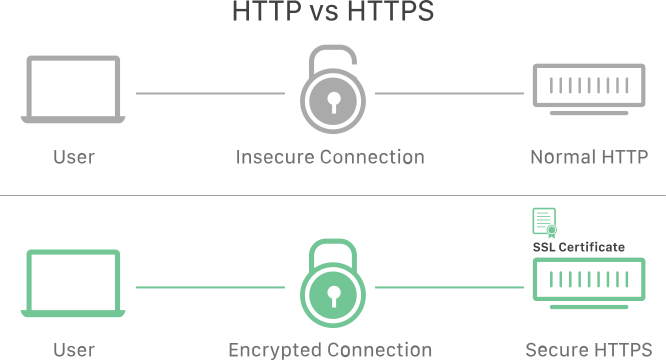
HTTPS is HTTP with security.
The extra S means Secure.
Key Difference (Easy Table)
| Feature | HTTP | HTTPS |
| Data encryption | ❌ No | ✅ Yes |
| Security | ❌ Unsafe | ✅ Secure |
| Uses SSL/TLS | ❌ No | ✅ Yes |
| URL starts with | http:// | https:// |
| Used for | Public data | Login, payments |
Real-Life Example:
📬 HTTP = Postcard (anyone can read)
🔐 HTTPS = Sealed envelope (private)
4️⃣ Why HTTPS Is Important?
Without HTTPS:
Passwords can be stolen ❌
Data can be modified ❌
Man-in-the-middle attacks ❌
With HTTPS:
✔ Data encrypted
✔ Identity verified
✔ User trust
👉 That’s why browsers show 🔒 lock icon.
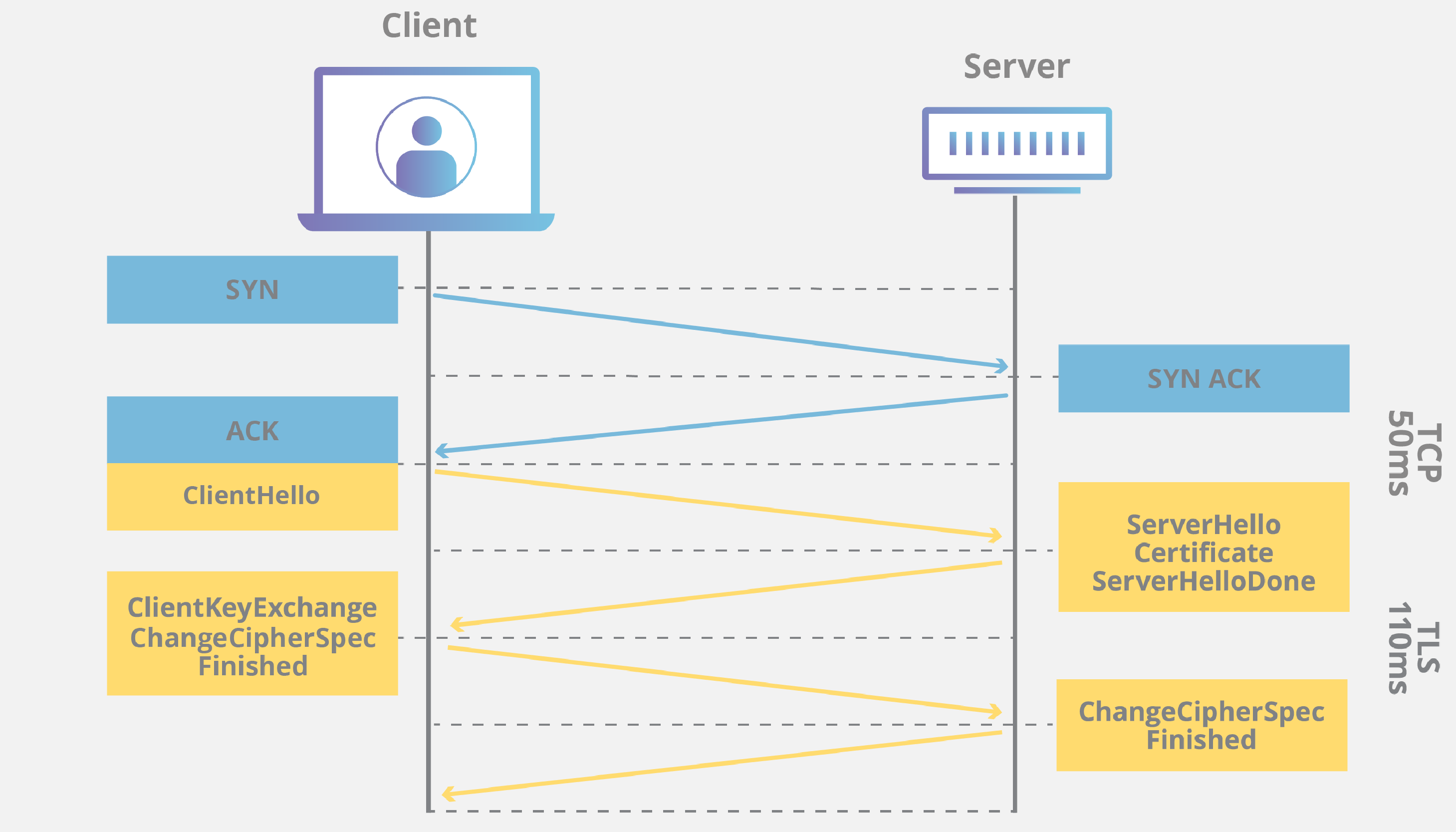
5️⃣ Role of SSL/TLS in HTTPS
Simple Definition:
SSL/TLS encrypts data so attackers can’t read it.
What SSL/TLS Does:
Encrypts data
Verifies server identity
Protects data during transfer
Simple Example:
When you submit a password:
mypassword123 ❌ (HTTP)
a8f@#9x!$... ✅ (HTTPS encrypted)
6️⃣ HTTP Methods (With Real Use Cases)
HTTP methods define what action you want to perform.
6.1 GET – Fetch Data
👉 Used to read data
GET /users
✔ Fetch users
✔ Fetch posts
6.2 POST – Send Data
👉 Used to create new data
POST /register
✔ Signup form
✔ Create user
6.3 PUT – Update Data (Full)
👉 Replace existing data
PUT /users/1
✔ Update profile completely
6.4 PATCH – Update Data (Partial)
👉 Update specific fields
PATCH /users/1
✔ Change email only
6.5 DELETE – Remove Data
👉 Deletes a resource
DELETE /posts/10
✔ Delete post
Summary Table
| Method | Purpose |
| GET | Read data |
| POST | Create data |
| PUT | Update full data |
| PATCH | Update partial data |
| DELETE | Remove data |
7️⃣ Common HTTP Status Codes
Status codes tell what happened to your request.
2xx – Success ✅
| Code | Meaning |
| 200 | OK |
| 201 | Created |
3xx – Redirection 🔁
| Code | Meaning |
| 301 | Moved permanently |
| 302 | Temporary redirect |
4xx – Client Error ❌
| Code | Meaning |
| 400 | Bad request |
| 401 | Unauthorized |
| 403 | Forbidden |
| 404 | Not found |
5xx – Server Error ⚠️
| Code | Meaning |
| 500 | Internal server error |
| 502 | Bad gateway |
| 503 | Service unavailable |
Real-Life Example:
404 = Wrong address 🏠
500 = Kitchen problem 🍳
8️⃣ HTTP in Real Web Development
As a web developer, HTTP helps you:
Build APIs
Handle authentication
Debug network issues
Understand frontend-backend communication
👉 Every API call uses HTTP methods + status codes.


